Potion Unlock 22
Designing the NFT drop, governance mechanism, and visual system that enabled DAO formation and the unlocking of Potion Protocol’s source code.
Industry
DAOs, NFTs
Client
PotionLabs
Year
2022
Project overview
Potion Labs required a launch mechanism that was compliant with EU legal frameworks while remaining fully aligned with the ethos of aggressive decentralization. To achieve this, the protocol’s source code was uploaded to IPFS and encrypted. The decryption key was fragmented into 10,000 pieces and embedded across 10,000 NFTs.
These NFTs functioned not merely as collectibles, but as distributed access keys—granting on-chain identity and governance agency to participants involved in the unlock process.
Given that Potion Protocol is built around the Kelly Machine, the visual and conceptual direction drew from this foundation. The result was the Kelly Dictionary: a generative collection of insurance options derived from the machine’s logic and encoded within the NFTs.
The Challenge
Enabling decentralized protocol release under regulatory constraints
Encoding financial logic into NFT-based governance assets
Designing a distributed unlock mechanism resilient to centralization
Making cryptographic coordination understandable to participants
NFT System Architecture
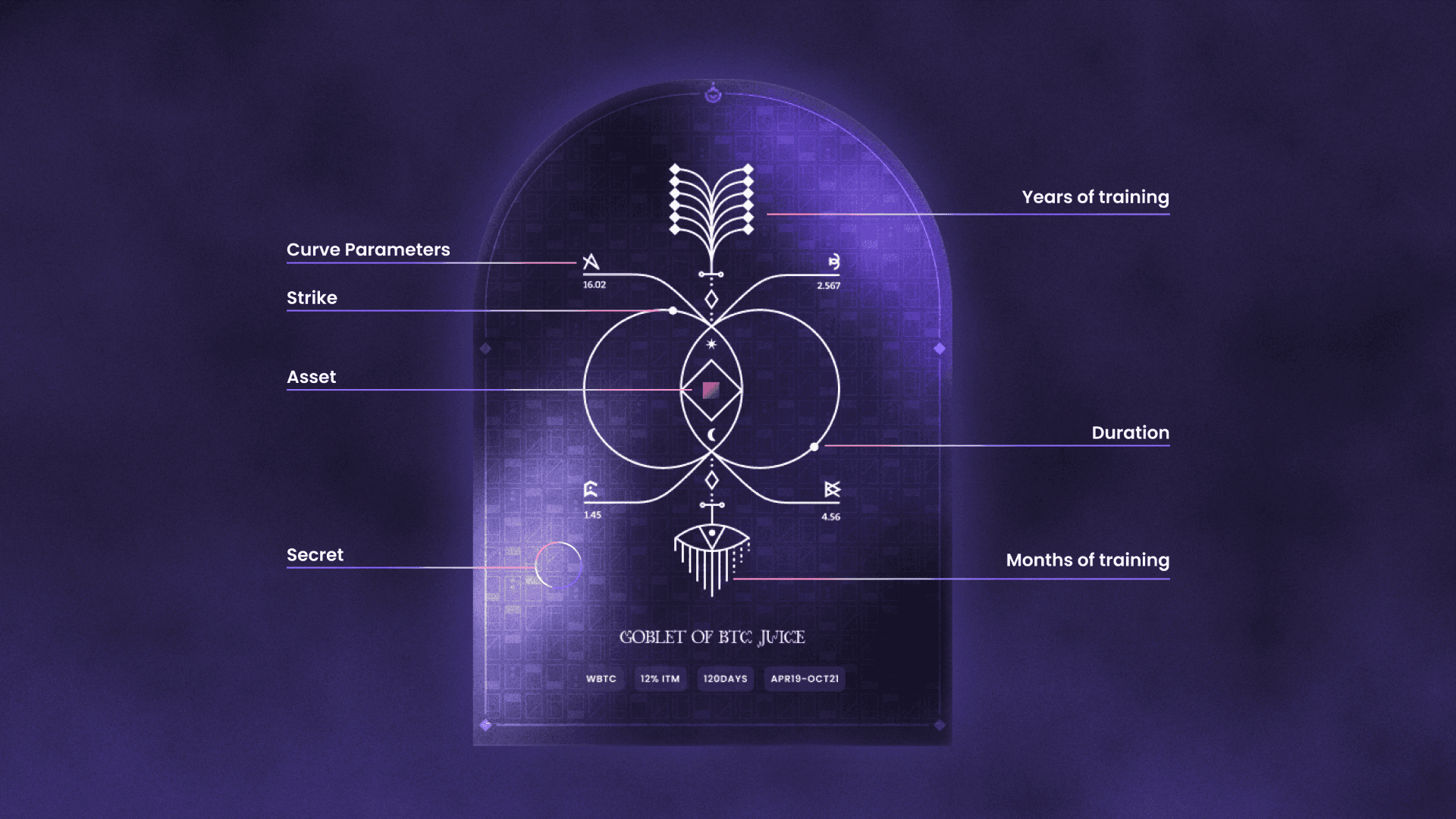
Each NFT was designed as a structured representation of a Kelly-generated insurance primitive. Rather than purely aesthetic traits, every visual component encoded parameters derived from the protocol’s underlying financial model.
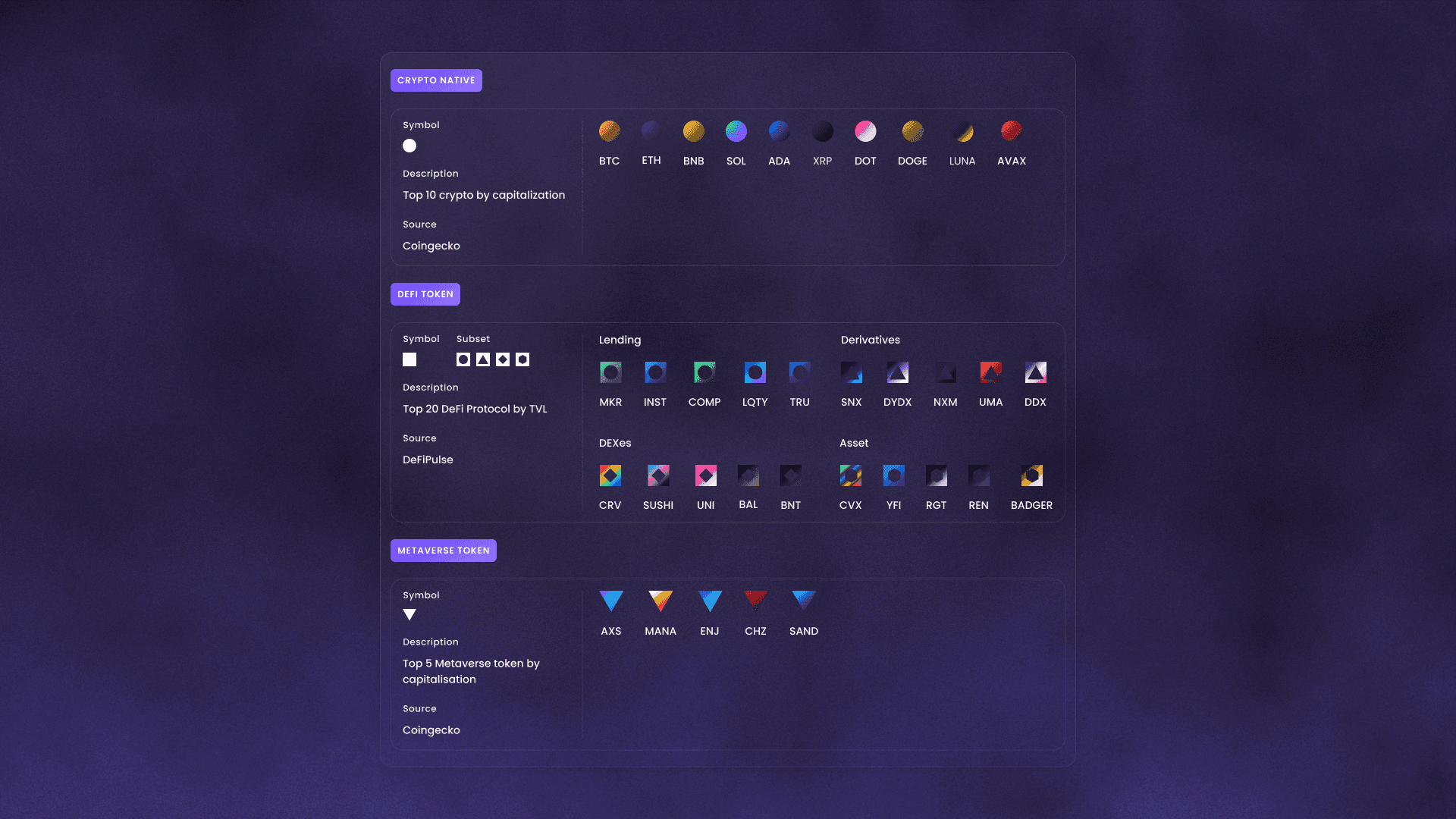
Covered asset
The core of each NFT is the insured asset, selected from three macro categories:
Crypto Native
DeFi
Metaverse
These categories were defined based on market relevance and protocol impact, then translated into distinct visual symbols and color treatments. This layer established the NFT’s economic context and positioned it within the broader Web3 landscape.
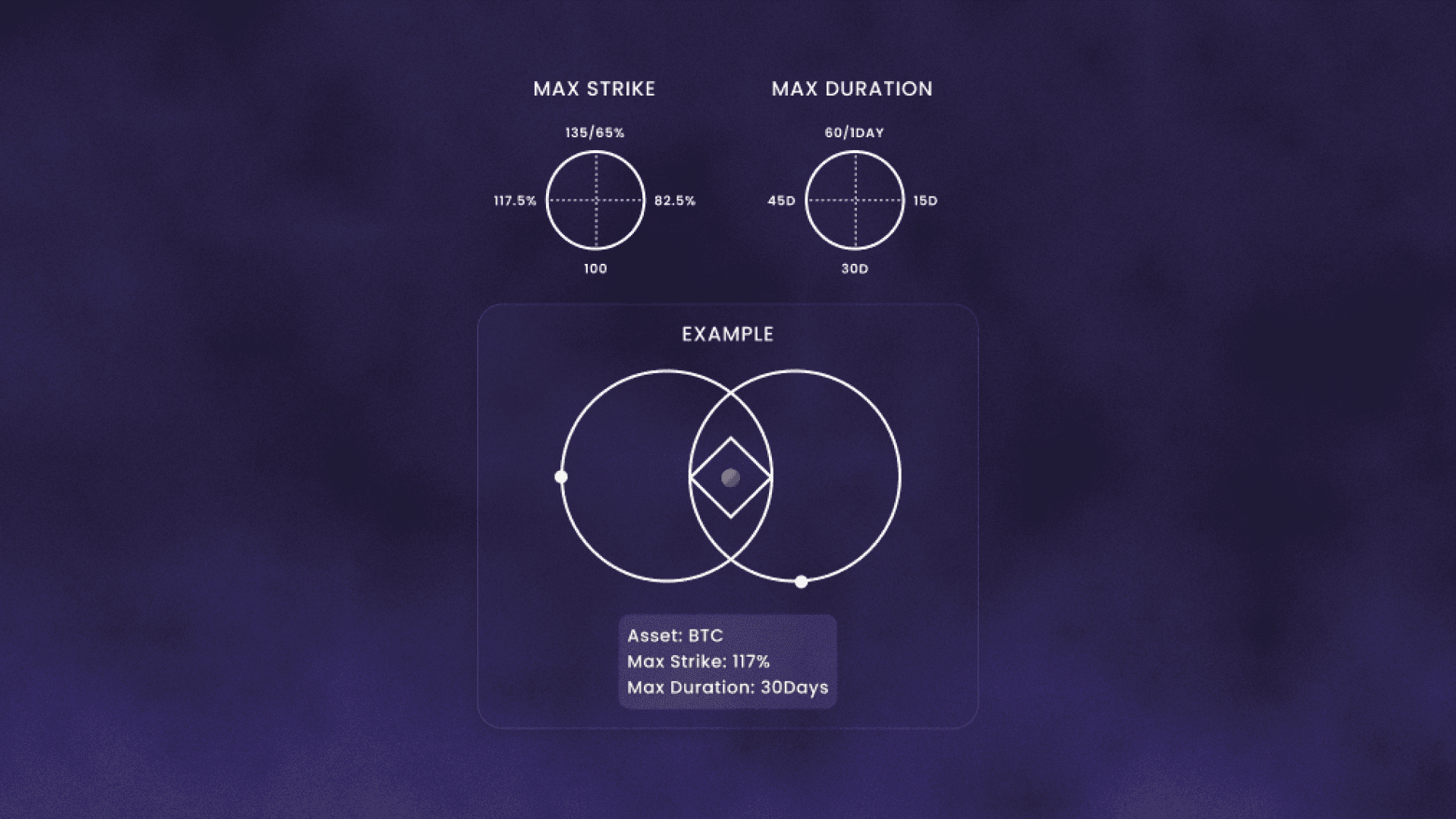
Strike & duration
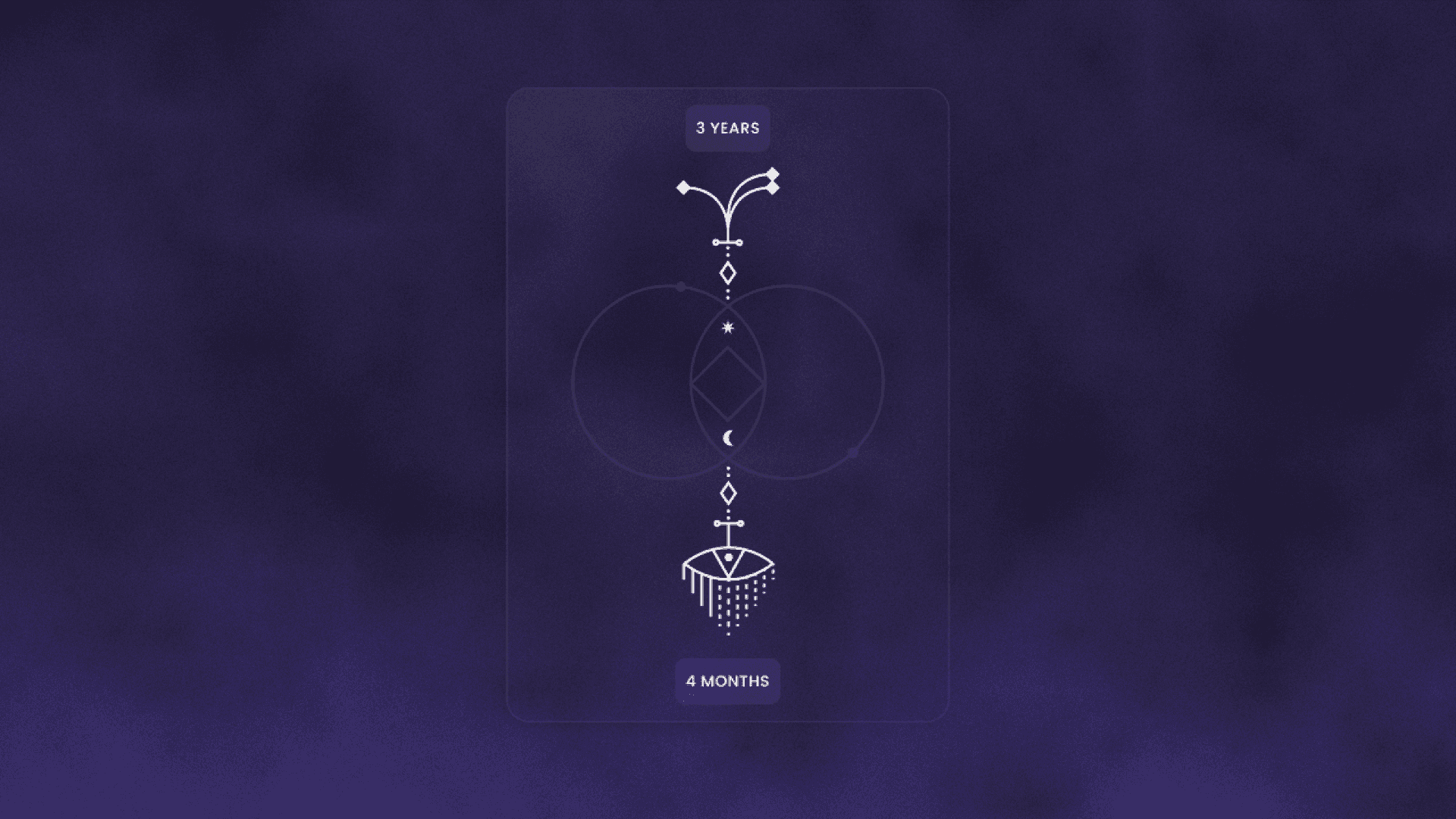
Strike price and coverage duration were visualized through overlapping circular geometries surrounding the asset. These parameters defined the risk profile of the option—ranging from deep in-the-money to out-of-the-money coverage and from short-term to extended durations.
Bonding curve representation
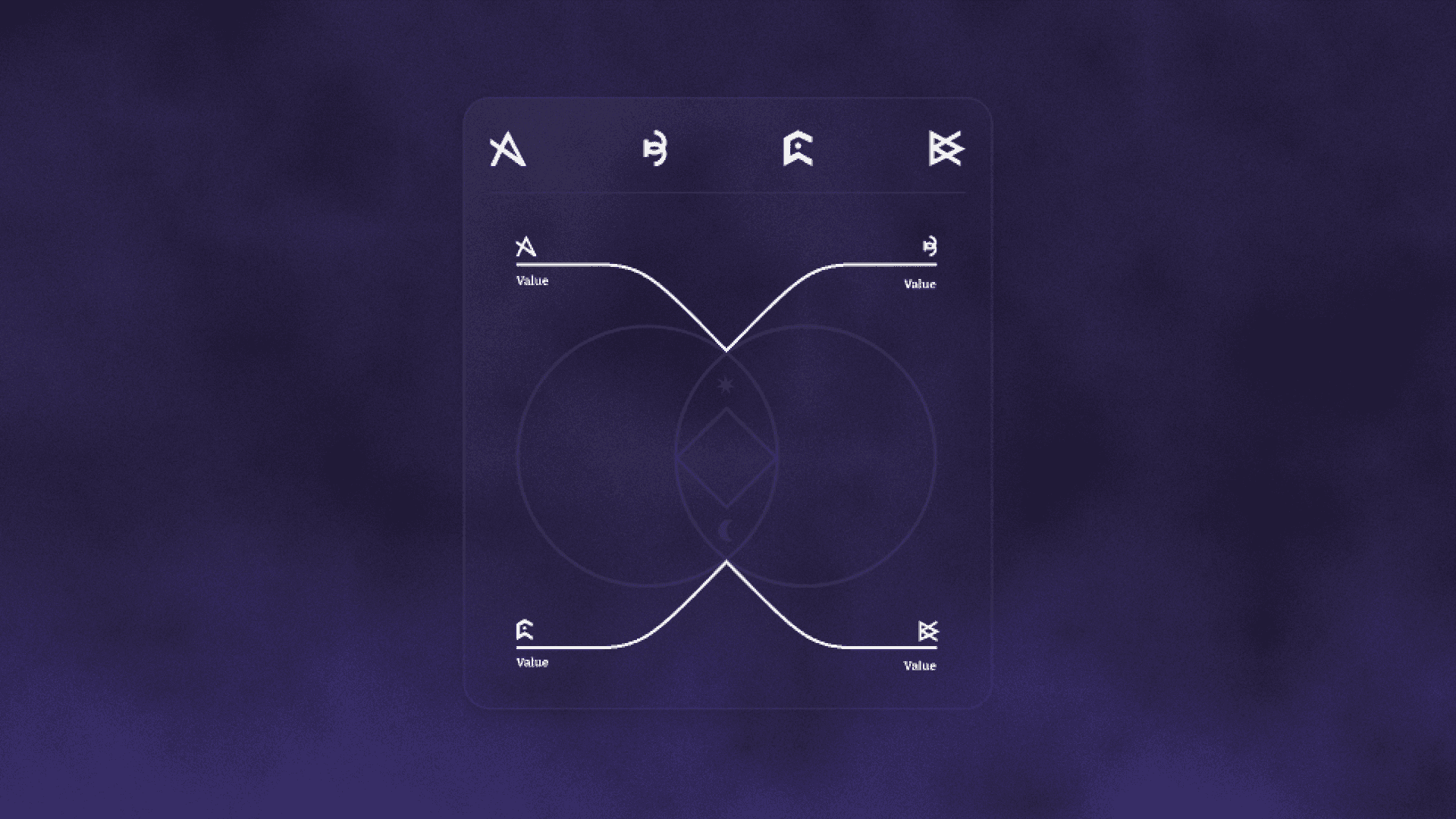
At the top and bottom of the NFT, abstract glyphs encode the Kelly Machine’s bonding curve parameters. These visual marks represent the mathematical structure governing the insurance contract, turning financial computation into symbolic form.
Training window
The NFT also encodes the historical training window of the Kelly model. Years and months of training are represented through structured visual repetitions, reinforcing the concept of time-bound intelligence embedded in the contract.
Embedded secret
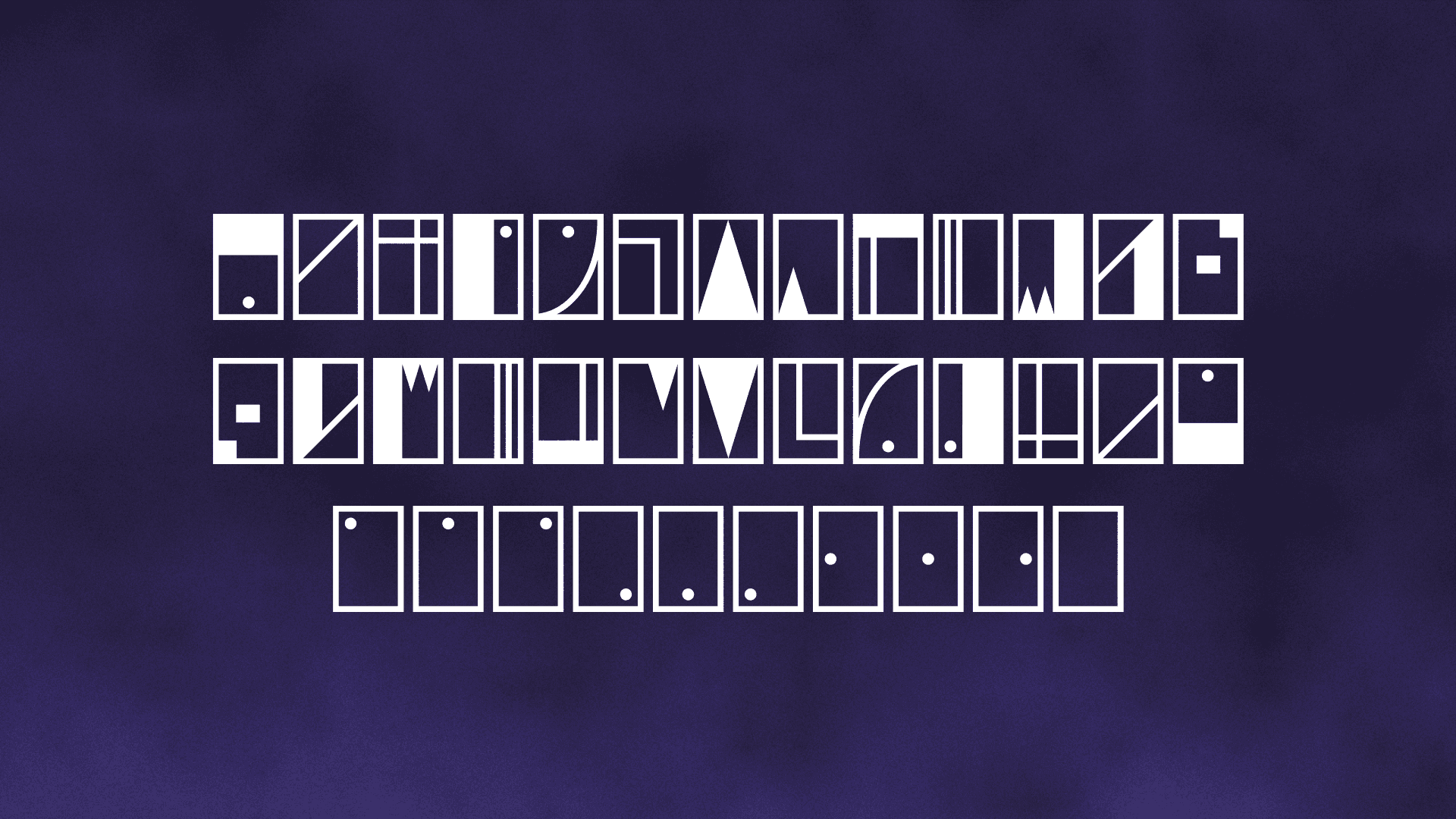
Beyond financial parameters, each NFT contains a cryptographic fragment of the protocol’s encrypted source code. This secret layer is visually expressed through a generative rune-based alphabet system—transforming cryptographic entropy into structured typography.
Generative naming convention
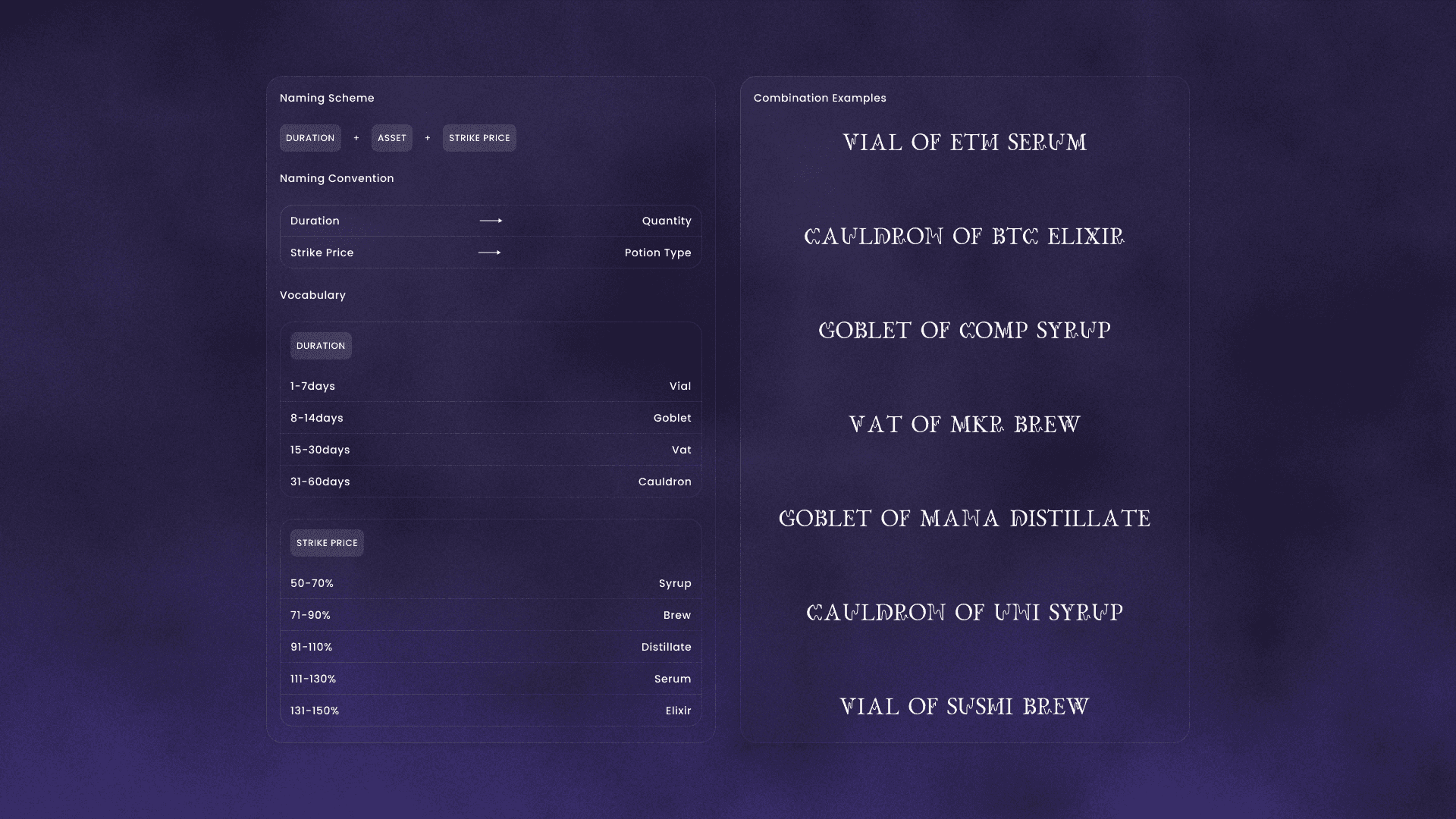
Naming followed a predefined transformation logic, translating financial parameters into metaphorical “potions”. Duration, asset, and strike were converted into vessel size and power levels—bridging quantitative finance with symbolic language.
Rarity & description power
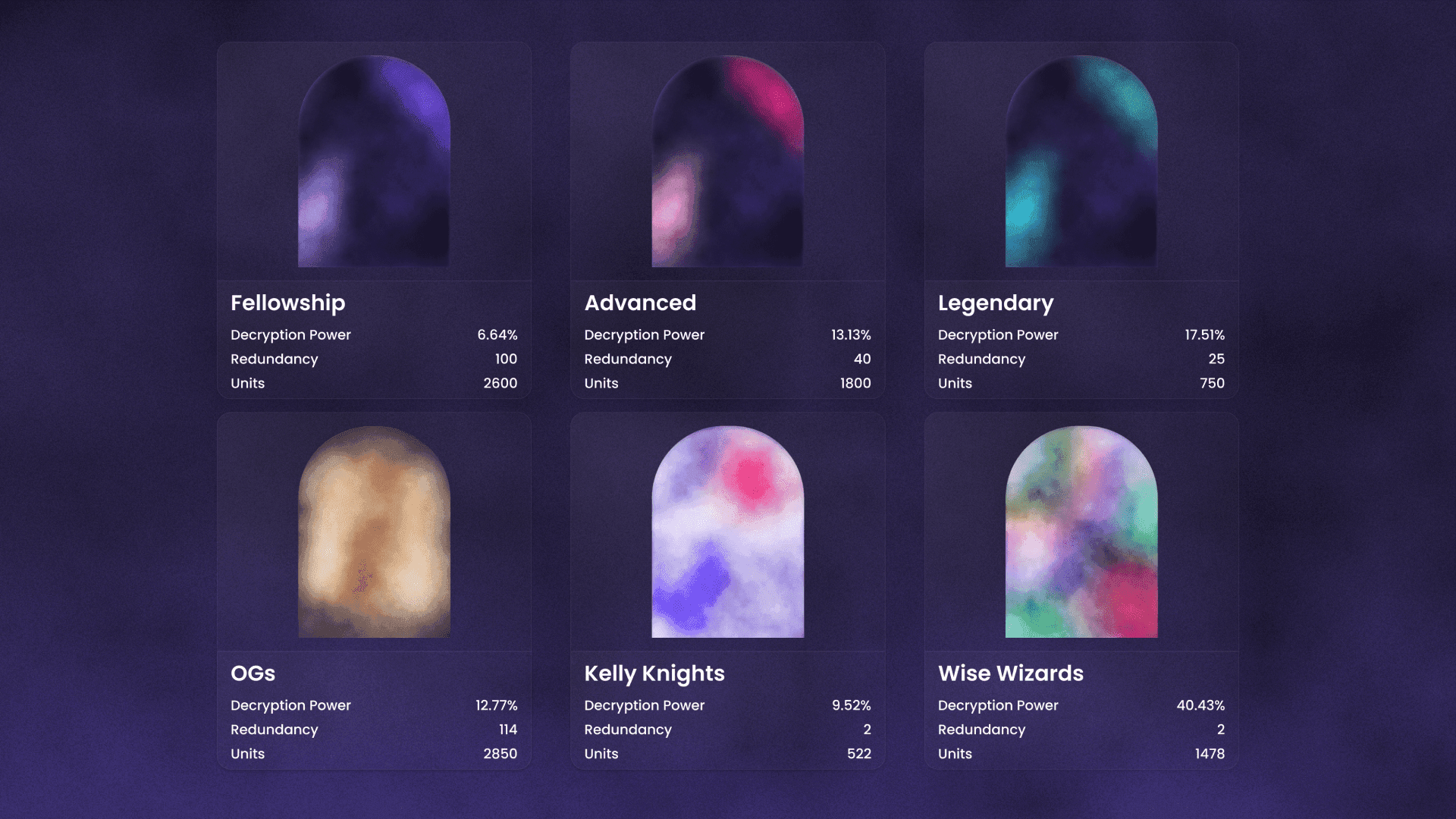
The collection was structured across six rarity tiers, each associated with a different decryption power and redundancy level. This ensured that no single holder could prevent the protocol unlock while preserving scarcity dynamics within the ecosystem.
Visual synthesis
What emerges is an abstract sigil—where financial parameters, mathematical curves, and cryptographic fragments coalesce into a single symbolic form. Each NFT becomes a visual distillation of the Kelly Machine: part contract, part key, part collective ritual.
Product Experience
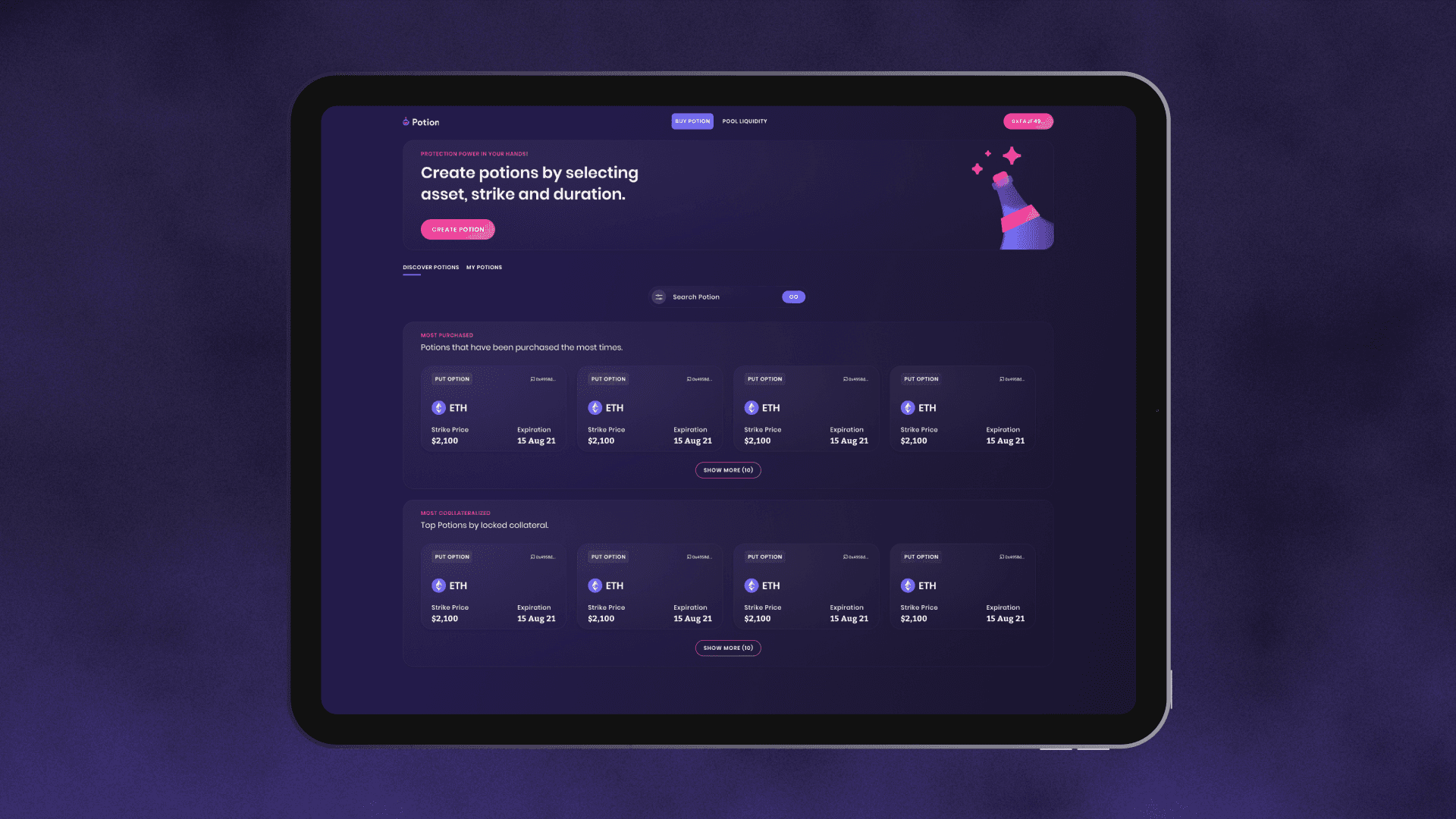
To operationalize the Unlock 22 event, a dedicated web application was designed to orchestrate NFT distribution and coordinate the progressive protocol release. The interface needed to support the Dutch auction mechanics while guiding users through the multi-step unlock process.
Dutch auction interface
The main application surface centers around a Dutch auction mechanism, allowing participants to acquire NFTs in a transparent and time-sensitive environment. Price dynamics, availability, and participation signals were surfaced clearly to reduce uncertainty during a high-stakes event.
Unlock flow — Four-step process
Beyond minting, the application guided users through the four-step process required for the protocol unlock. Each step progressively revealed the participant’s role in decrypting and reconstructing fragments of the source code key.
Secret fragment interaction
Once an NFT was acquired, holders could interact with their embedded fragment—encrypting or decrypting their portion of the secret within the interface. This interaction layer reinforced the idea that ownership was directly tied to protocol participation.
Eductation layer
In parallel, the website included dedicated pages explaining both the unlock mechanics and the symbolic structure of the NFT collection. These sections bridged technical complexity with narrative clarity, ensuring that participants understood the economic and cryptographic implications of the event.